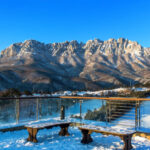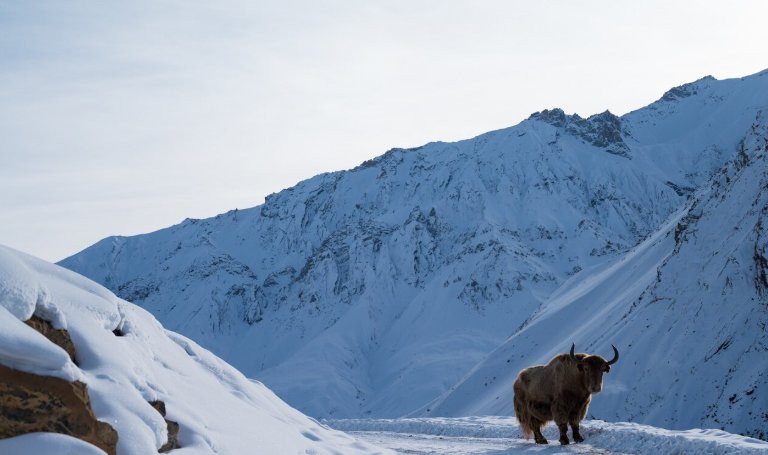
Imagine waking up to snow-covered mountains, frozen rivers, quiet Himalayan villages, and breathtaking landscapes stretching as far as your eyes can see. This is the magical beauty of Spiti Valley in winter.
Located in Himachal Pradesh, Spiti Valley is one of India’s most beautiful destinations for travellers who love mountains, adventure, photography, and peaceful surroundings. During winter, the region transforms into a spectacular white landscape, offering a completely different experience compared to the summer months.
However, winter travel in Spiti is not for everyone. Extremely cold temperatures, difficult road conditions, limited accommodation, and unpredictable weather make proper planning essential.
If you are dreaming of a winter trip to Spiti Valley, here are the important things you should know before starting your journey.
1. Understand the Winter Weather
Winter in Spiti Valley is extremely cold. During December, January, and February, temperatures can fall to approximately -20°C in some locations.
Snowfall, frozen water sources, icy roads, and freezing winds are common features of the winter season.
Unlike popular hill stations, Spiti has a high-altitude cold desert environment, so even sunny afternoons can feel very cold.
Travel tip: Carry thermal innerwear, insulated jackets, woollen socks, gloves, caps, and waterproof winter footwear.
2. Choose the Right Time to Visit
The winter experience in Spiti changes throughout the season.
- November: Temperatures begin dropping, and early snowfall may occur.
- December: Snow-covered landscapes become more common, and temperatures fall significantly.
- January: One of the coldest months, ideal for experienced winter travellers.
- February: Winter conditions continue, with opportunities to experience snow-covered villages and landscapes.
- March: Weather may gradually begin changing, although heavy snow and cold conditions can still occur.
If your main goal is experiencing snow and frozen landscapes, December to February can be attractive. However, always check current weather and road conditions before finalising your travel dates.
3. Understand the Road Conditions
Road accessibility is one of the most important things to consider when planning a winter trip to Spiti.
There are two major approaches to Kaza:
Shimla–Kinnaur Route: This is generally the preferred approach during winter because it provides an almost all-weather road connection, subject to snowfall and local conditions.
Manali–Kaza Route: This route crosses Kunzum Pass, which generally remains closed during winter because of heavy snowfall. It usually reopens around May or June, depending on weather conditions.
The Himachal Pradesh government advises travellers to check road conditions before starting their journey. <Cite refs={[“turn881236search0″,”turn881236search1″,”turn881236search3”]}/>
Travel tip: Never assume that a mountain road is open simply because it was accessible a few days earlier.
4. Explore the Beautiful Winter Villages
Spiti’s villages become especially beautiful during winter. Snow-covered houses, traditional architecture, monasteries, and peaceful surroundings create an unforgettable atmosphere.
Some popular places to explore include:
- Kaza: The main town of Spiti and an important base for travellers.
- Kibber: A beautiful high-altitude village surrounded by dramatic mountain landscapes.
- Langza: Famous for its scenic views, traditional houses, and large Buddha statue.
- Hikkim: Known for its high-altitude post office.
- Komic: A remote village offering spectacular Himalayan scenery.
- Tabo: Famous for its historic monastery and peaceful surroundings.
Remember that access to individual villages can become difficult after snowfall, so explore only when local authorities confirm that travel is safe.
5. Experience the Beauty of Spiti Monasteries
Spiti Valley is known for its Buddhist culture, ancient monasteries, and peaceful spiritual atmosphere.
During winter, visiting these monasteries can offer a unique cultural experience.
Some popular monasteries include:
- Key Monastery.
- Tabo Monastery.
- Dhankar Monastery.
- Kungri Monastery.
Their architecture, history, prayer halls, and surrounding landscapes make them important attractions for visitors.
Before visiting, check opening arrangements and local accessibility, as winter conditions may affect visitor access.
6. Pack the Right Winter Essentials
Packing correctly is essential for a comfortable Spiti winter trip.
Make sure your luggage includes:
- Heavy insulated winter jacket.
- Thermal innerwear.
- Waterproof snow boots.
- Woollen gloves and socks.
- Warm caps and scarves.
- Sunglasses and sunscreen.
- Moisturiser and lip balm.
- Personal medicines and first-aid supplies.
- Power bank and charging equipment.
- Reusable water bottle.
Carry multiple layers instead of relying on a single heavy jacket. Layering helps you adjust to changing temperatures throughout the day.
7. Prepare for Limited Facilities and Connectivity
Spiti is a remote Himalayan region, and winter can make everyday facilities more limited.
Some hotels, cafés, and homestays may close during the colder months. Electricity supply, heating facilities, and transportation availability can also vary.
Mobile connectivity is limited in several parts of the valley. Himachal Tourism identifies BSNL as one of the more dependable network options in the region, although coverage and internet speeds can still be unreliable. <Cite refs={[“turn881236search0”]}/>
Travel tip: Confirm accommodation, heating arrangements, meals, and mobile connectivity before departure. Carry sufficient cash and keep offline maps downloaded.
8. Take Health and Altitude Precautions
Spiti is a high-altitude destination, so travellers should understand the risks of altitude-related illness.
Give your body time to adjust to the altitude, avoid excessive physical activity immediately after arrival, stay hydrated, and get adequate rest.
Watch for symptoms such as headaches, nausea, dizziness, unusual tiredness, or breathing difficulties.
Seek medical assistance if symptoms develop or worsen. Travellers with existing health concerns should consult a medical professional before planning a high-altitude winter journey.
Avoid travelling alone into isolated snowy areas, and always follow local safety instructions.
9. Plan Your Winter Travel Budget
A winter trip to Spiti may require additional expenses because of specialised transportation, experienced local drivers, heating arrangements, and limited accommodation options.
Your budget should include:
- Transportation from your starting city.
- Local vehicles and transfers.
- Accommodation and meals.
- Winter clothing and equipment.
- Travel insurance.
- Emergency expenses.
Avoid choosing a travel package based only on its lowest price. In winter, reliable transportation, suitable accommodation, and local support are particularly important.
Why Choose Gyanrachna for Your Spiti Valley Trip?
Planning a winter holiday in Spiti requires careful coordination of transportation, accommodation, sightseeing, weather conditions, and safety arrangements.
Gyanrachna can help travellers plan customised mountain holidays according to their travel preferences, budget, duration, and interests.
Whether you are planning a winter adventure with friends, a photography trip, or a peaceful Himalayan escape, a thoughtfully designed itinerary can help make your journey more organised and comfortable.
From selecting suitable accommodation and transportation to planning sightseeing and local experiences, Gyanrachna aims to make travel planning convenient.
Essential Tips Before Visiting Spiti in Winter
Before starting your journey, remember these important points:
- Check official road updates before departure.
- Prefer experienced local drivers and suitable vehicles.
- Avoid unnecessary night driving.
- Carry sufficient winter clothing.
- Confirm hotel heating and food arrangements.
- Keep emergency medicines and cash.
- Maintain flexible travel dates.
- Follow local administration and police advisories.
- Avoid travelling to restricted or unsafe areas.
Conclusion
Spiti Valley in winter offers a completely different kind of Himalayan experience. From snow-covered villages and ancient monasteries to frozen landscapes and peaceful mountain surroundings, every part of the journey can feel extraordinary.
However, winter travel requires preparation, patience, and flexibility. Extremely low temperatures, road closures, limited facilities, and altitude-related challenges should never be underestimated.
If you are an experienced traveller who enjoys remote destinations and challenging mountain conditions, Spiti Valley can offer an unforgettable winter adventure.
With proper planning, reliable local support, and the right travel arrangements from Gyanrachna, you can experience the magical beauty of Spiti while making your safety and comfort a priority.